DIY Satellite Dish Installation vs Professional Installation
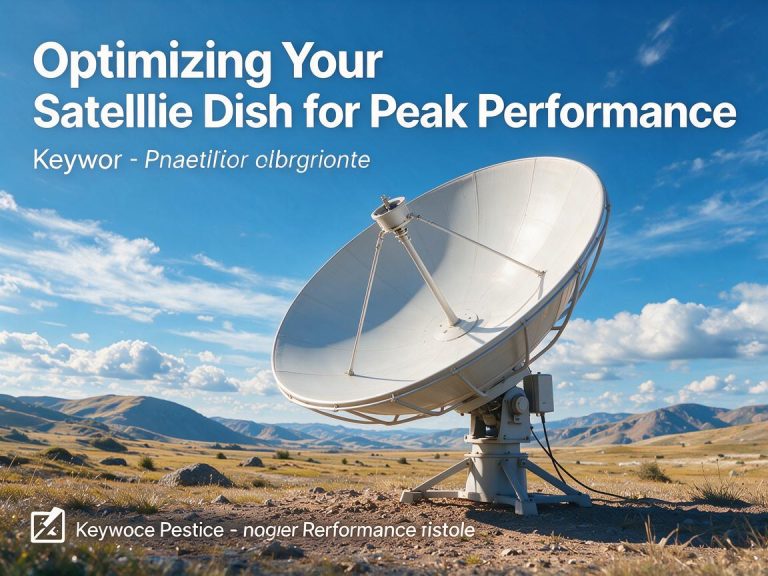
Every satellite installer was once a homeowner with a spanner and a ladder. The question of whether to DIY or call a professional comes down to three things: your comfort at height, the complexity of the install, and how much of a perfectionist you are. Here is an honest comparison.



When DIY Makes Sense
- The dish goes on a ground mount or low wall bracket.
- You can comfortably work on a ladder without fear.
- You are fitting a single fixed dish to one receiver.
- You enjoy understanding how things work.
For these cases, a €15 satellite meter and an afternoon of patience is enough. You will save €100 or more, and you will be able to diagnose your own faults in future.
When to Call a Professional
- The dish goes on a roof, chimney or above first-floor height.
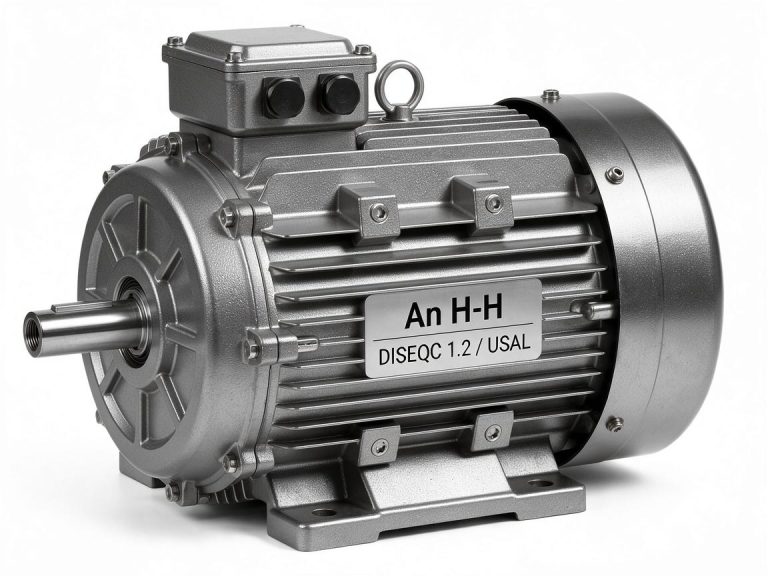
- You need a motorised DiSEqC polar mount calibrated.
- You are running cables to multiple rooms or installing a multi-switch.
- Your lease or building regulations require certified work.
- You have no head for heights or no one to hold the ladder.
What You Get with a Pro
A professional brings a calibrated signal meter, proper fixings, weatherproof tape, and experience of the local satellites and common problems. They will usually also test every channel and show you how the receiver works. Most importantly, they carry liability insurance — if they slip on your roof, it is not your problem.
The Middle Ground: Do It Yourself, But Hire the Dangerous Bit
A popular compromise is to pay a roofer or installer to fit the bracket and run the cable, then align the dish and set up the receiver yourself. This is often the best value: you get the safety of a professional at height, plus the satisfaction (and future know-how) of doing the alignment yourself.
Skills You Will Learn
A DIY install teaches you how to make F-connectors, read a signal meter, and understand the difference between signal strength and signal quality. These skills pay for themselves every time you later need to nudge the dish after a storm or add a second receiver.
Verdict
If you are even slightly unsure about ladders, pay someone. If the job is low and simple, buy a meter and have a go — modern satellite kits are genuinely beginner-friendly. The worst case is you call an installer anyway, and they will be impressed that you already ran the cable.