Uplink vs Downlink: How Satellite TV Works
Satellite TV is a two-way radio link: content is beamed up to the satellite, then beamed back down to you. Understanding the uplink and downlink helps make sense of the whole system.
The Uplink
Broadcasters send their programme from a ground station (an uplink dish) up to the satellite at a high frequency. The satellite receives it, amplifies it, and rebroadcasts it.
The Downlink
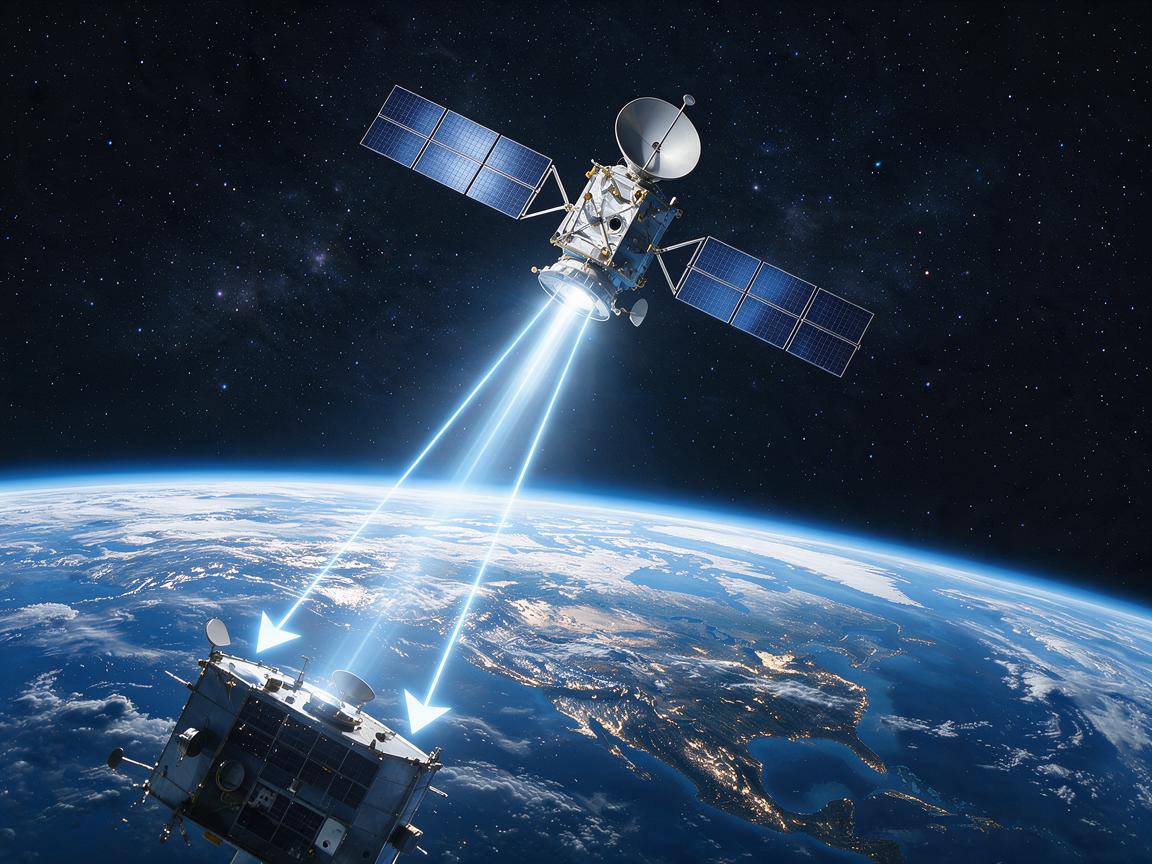
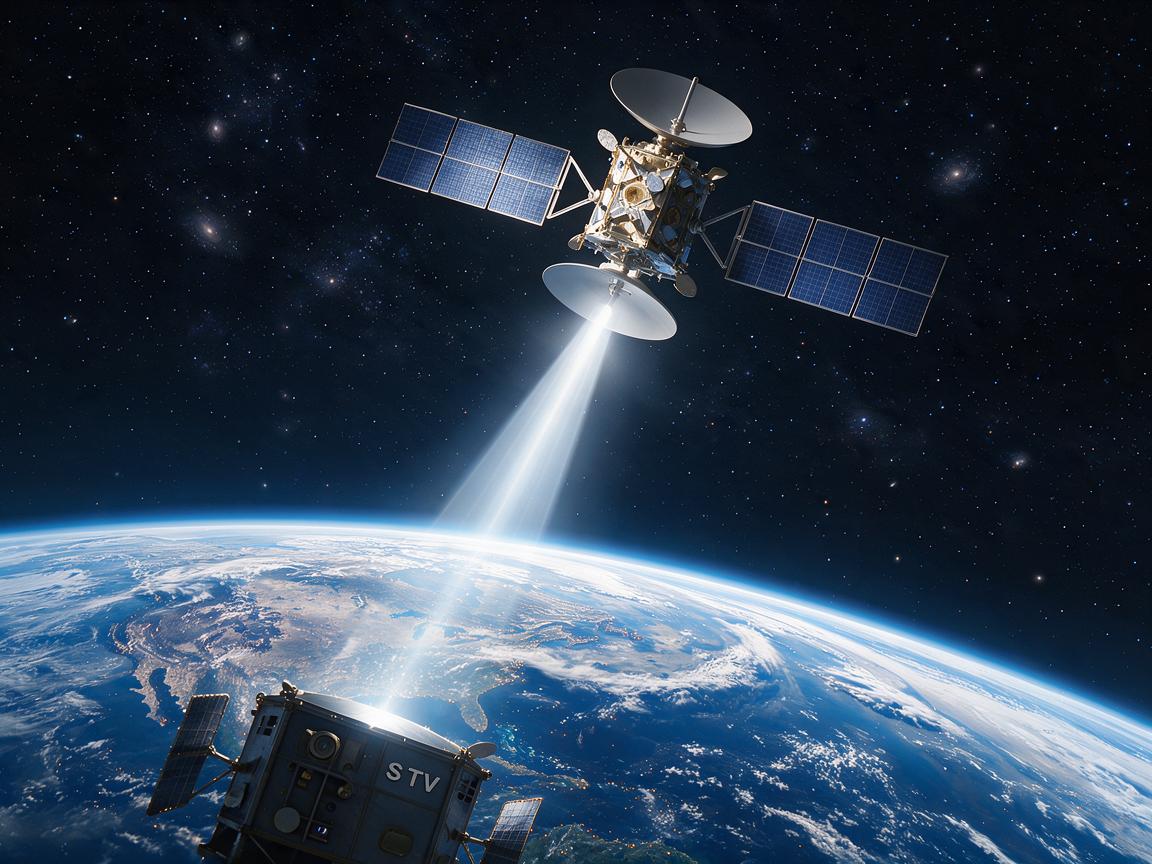
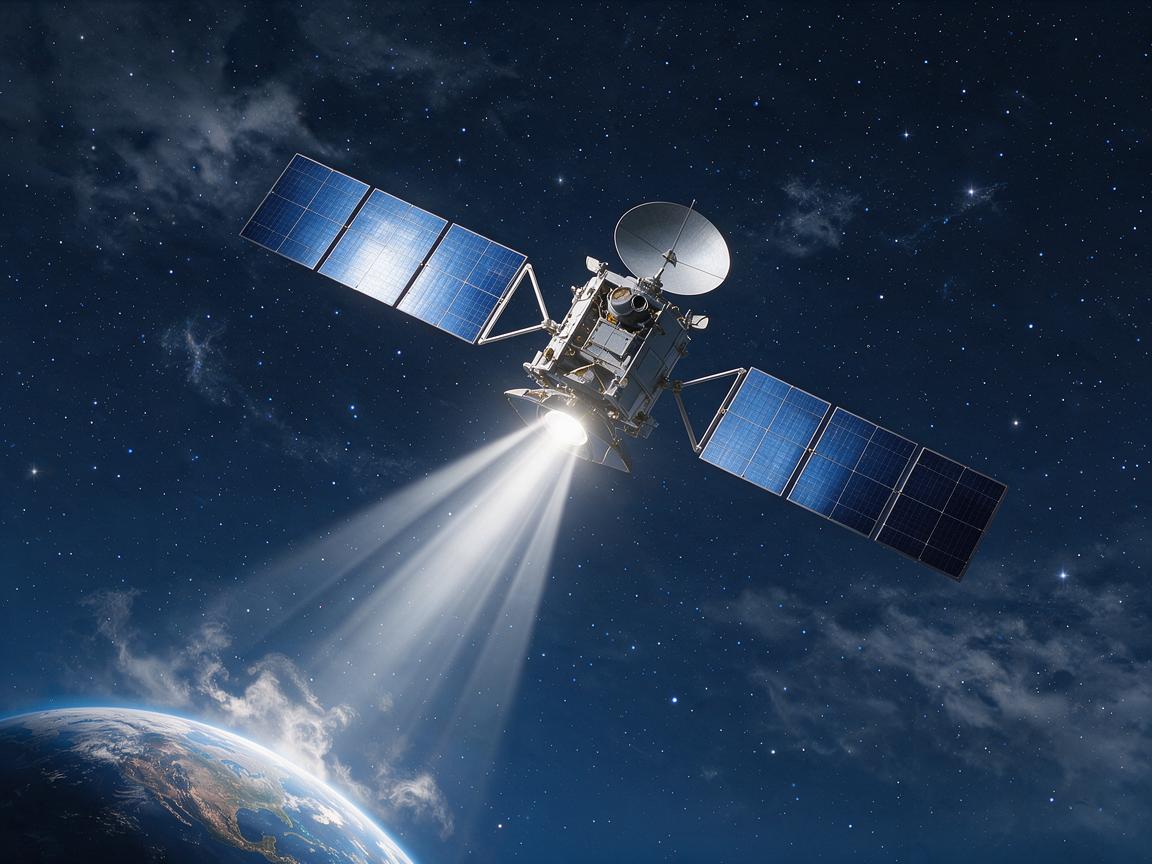
The satellite sends the signal back down to Earth on a slightly different frequency. That is the signal your dish picks up. The difference in frequencies stops the powerful uplink drowning out the weak downlink.
Why the Delay Matters
The signal travels 36,000 km up and 36,000 km down. That is why satellite phone calls have a half-second delay — and why live interviews via satellite sometimes feel awkward. For TV watching it does not matter.
Your Home Dish Is Receive-Only
Unlike the big ground station, your home dish only listens on the downlink. It does not transmit anything up. That is why it can be small.
Geostationary Handoff
The satellite sits in geostationary orbit and rebroadcasts the uplink across its footprint. One uplink can therefore serve millions of home dishes across a whole country or continent.
Why It Matters
When a channel goes off air, the fault could be at the uplink end (broadcaster) or on the satellite itself — not at your dish. Everyone watching that satellite sees the same outage.
Uplink and downlink are the two halves of the satellite link. Your dish is the final, tiny receiving end of a very long chain.