What LNB Voltage Does: 13V, 18V and the 22kHz Tone Explained
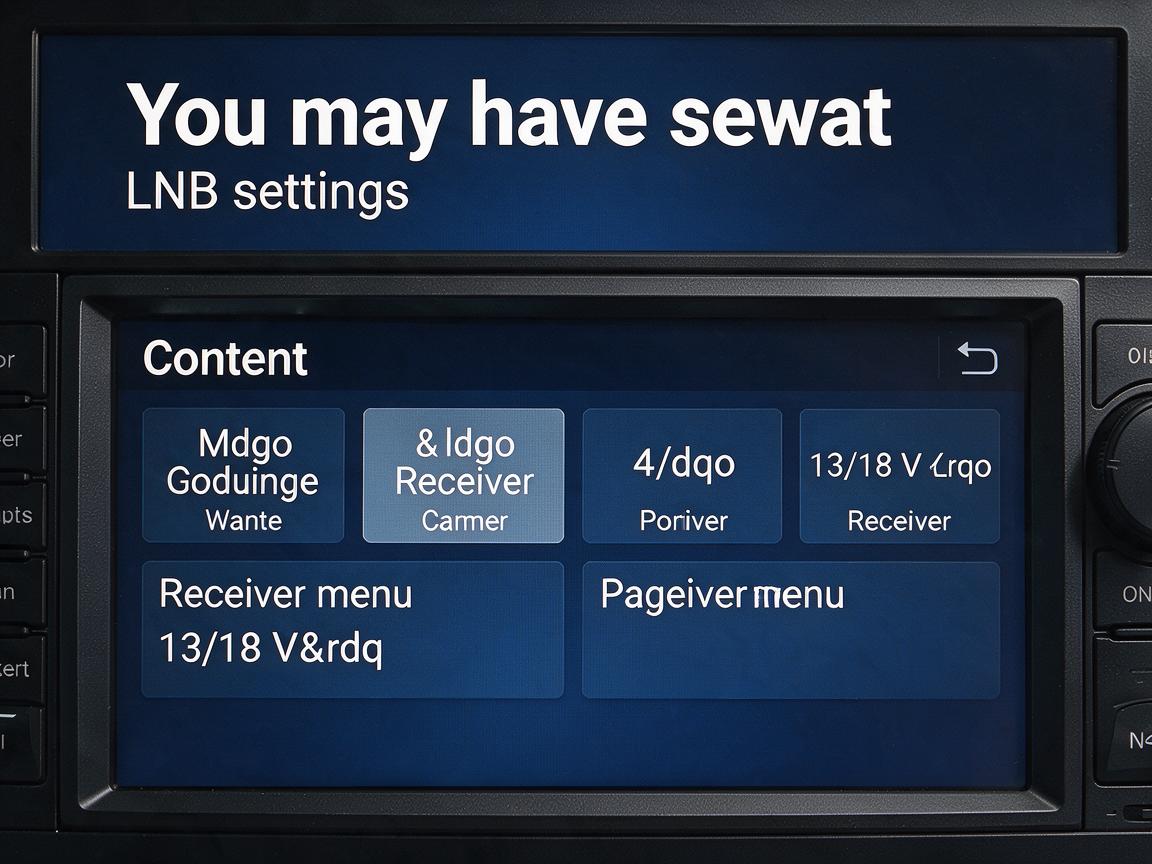
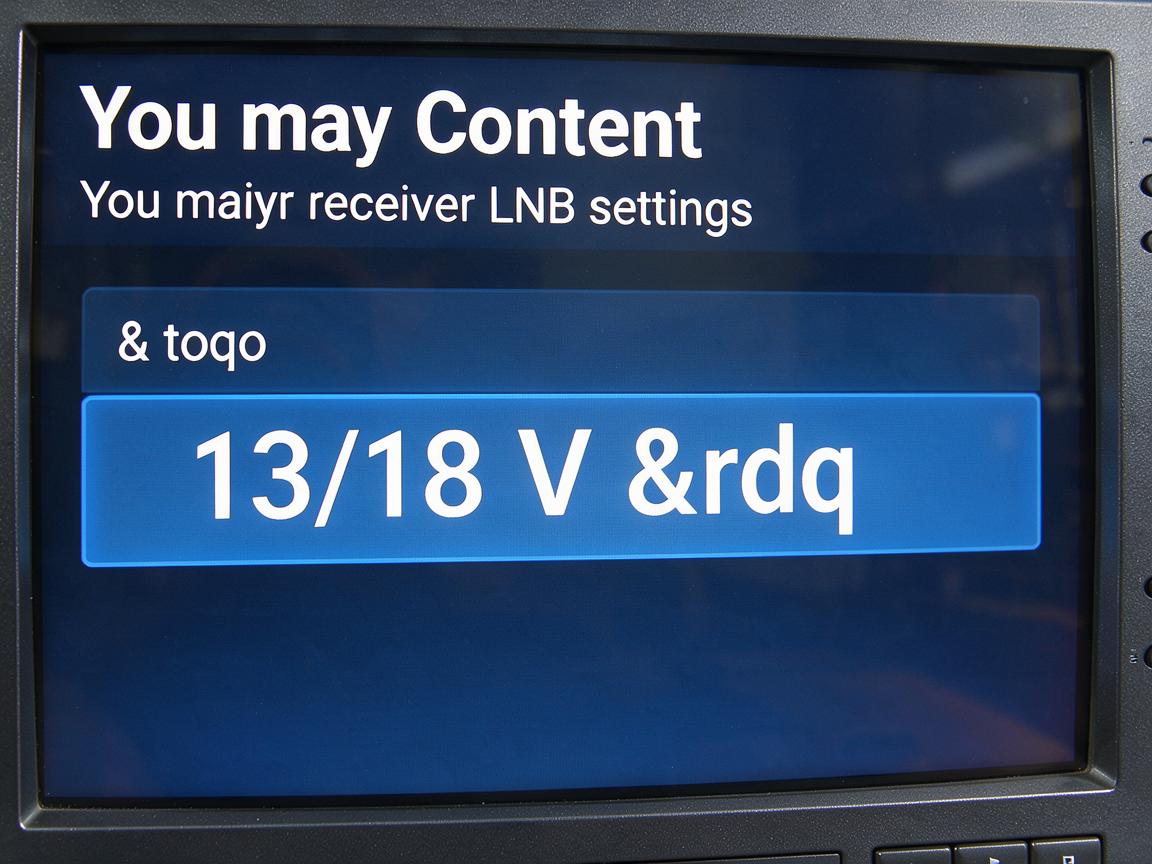
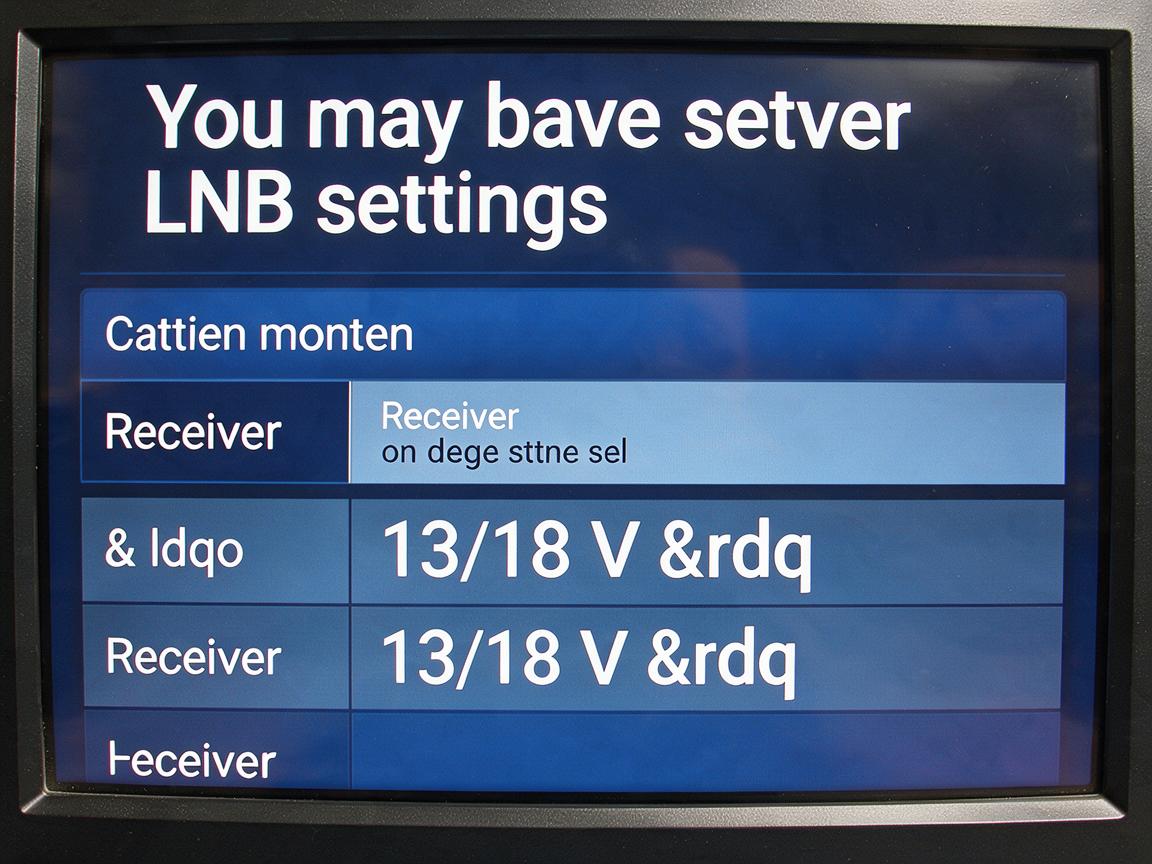
You may have seen LNB settings in your receiver menu labelled “13/18 V” and “22 kHz tone”. These are not random numbers — they are how the receiver tells the LNB which part of the satellite signal to deliver. Understanding them unlocks receiver troubleshooting.
The Cable Is a Two-Way Street
The coax from receiver to LNB does three jobs at once: it carries the signal from LNB to receiver, it supplies DC power to the LNB, and it carries switching commands back up. The receiver encodes those commands as voltage changes and a small audio-frequency tone.
13 V and 18 V: Choosing Polarity
European satellites broadcast two polarities: horizontal and vertical. The LNB has two internal probes but only one output. The receiver switches between them by changing the supply voltage:
- 13 V selects vertical polarity.
- 18 V selects horizontal polarity.
If you see only half your channels — say all the vertical ones but none of the horizontal ones — the LNB may have failed its 18 V side, or the receiver's 18 V supply has failed.
The 22 kHz Tone: Choosing the Band
Universal LNBs use two local oscillators to cover the whole Ku band. The receiver tells the LNB which oscillator to use with a 22 kHz tone:
- Tone off: low band (9.75 GHz oscillator).
- Tone on: high band (10.60 GHz oscillator).
If you can receive low-band transponders but not high-band ones, the 22 kHz tone is not reaching the LNB.
Four Combinations, Four Bands
Together, voltage and tone give four sub-bands:
- 13 V, tone off — vertical low band
- 18 V, tone off — horizontal low band
- 13 V, tone on — vertical high band
- 18 V, tone on — horizontal high band
Each carries dozens of transponders. That is how one LNB handles hundreds of channels.
What Goes Wrong
- Missing one polarity: LNB side failed, or receiver voltage supply weak.
- Missing one band: 22 kHz tone generator in receiver failed, or LNB oscillator dead.
- No signal at all: LNB power disabled in receiver menu.
Diagnosing with a Multimeter
Swap between vertical and horizontal channels and measure the voltage at the LNB end. It should toggle between 13 and 18 V. If it does not, the receiver is the problem, not the LNB.
The 13/18 V and 22 kHz signals are the receiver's remote control for the LNB. Once you understand them, half of all “missing channel” problems become obvious.