Coaxial Cable Selection and Management for Satellite TV Systems: A Comprehensive Guide

Want channels from both Astra 19.2°E and Hot Bird 13°E from a single receiver? You do not need a motor — a DiSEqC switch lets you connect two, four or even eight fixed dishes (or LNBs on a monoblock) to one receiver cable. Installing one is straightforward. What Is a DiSEqC Switch? A DiSEqC (Digital…
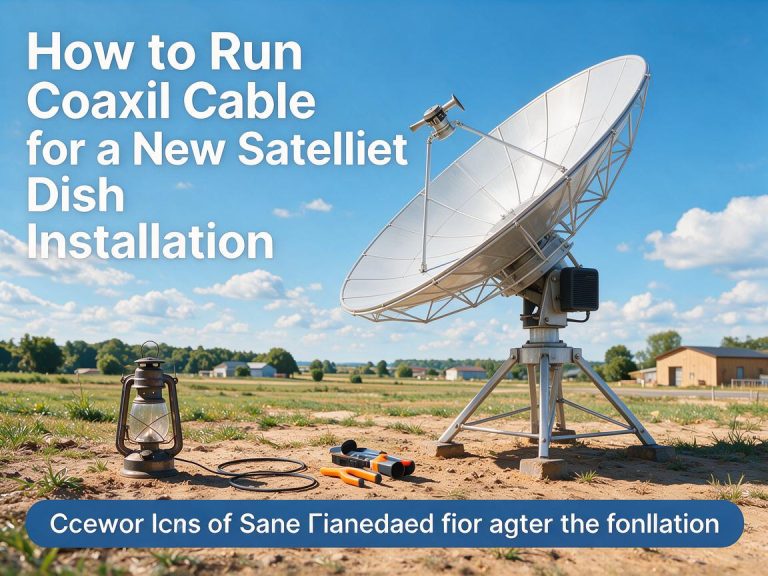
The coaxial cable is the unsung hero of a satellite installation. Even a perfectly aligned dish will pixelate and drop out if the cable run is too long, too thin, or badly jointed. This guide explains how to choose and run satellite coax correctly. Which Cable: CT100 / WF100 / WF65 Use low-loss satellite-grade coax,…
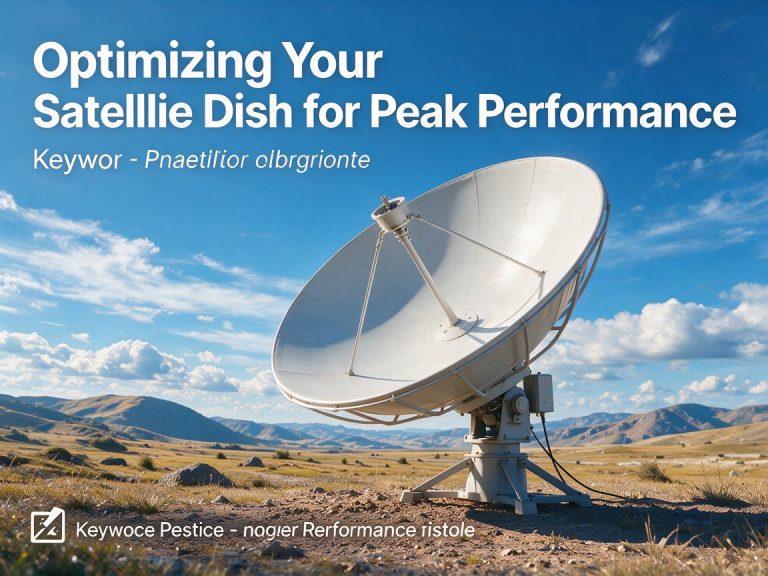
**Optimizing Your Satellite Dish for Peak Performance** Are you experiencing signal issues, pixelation, or dropped channels with your satellite TV? A properly optimized satellite dish can make a world of difference, ensuring you get the best possible picture and sound quality. This comprehensive guide will walk you through the process of optimizing your satellite dish…
Trees are the single most common enemy of a satellite installation. A tall tree between your dish and the satellite will absorb and scatter the microwave signal, causing pixelation — especially in leaf, and especially in rain. You cannot always fell the tree, but you can work around it. Understand How Trees Block Signal Satellite…

Satellite installation is one of those jobs that looks simple until someone falls off a ladder. Most accidents happen in the last five minutes, when the installer is tired and the dish is almost aligned. Treat the height, not the alignment, as the dangerous part. The Ladder Rules Use a ladder rated for your weight…

Roof mounting gives the clearest line of sight, but it also carries the biggest risk: a drilled hole in a roof almost always leaks eventually if it is done wrong. A roof-mounted satellite dish can last twenty years without a single drip — if you flash it properly. This guide shows how. Choose the Right…