Install H-H Satellite Antenna: DiSEqC Motor Mounting Made Easy
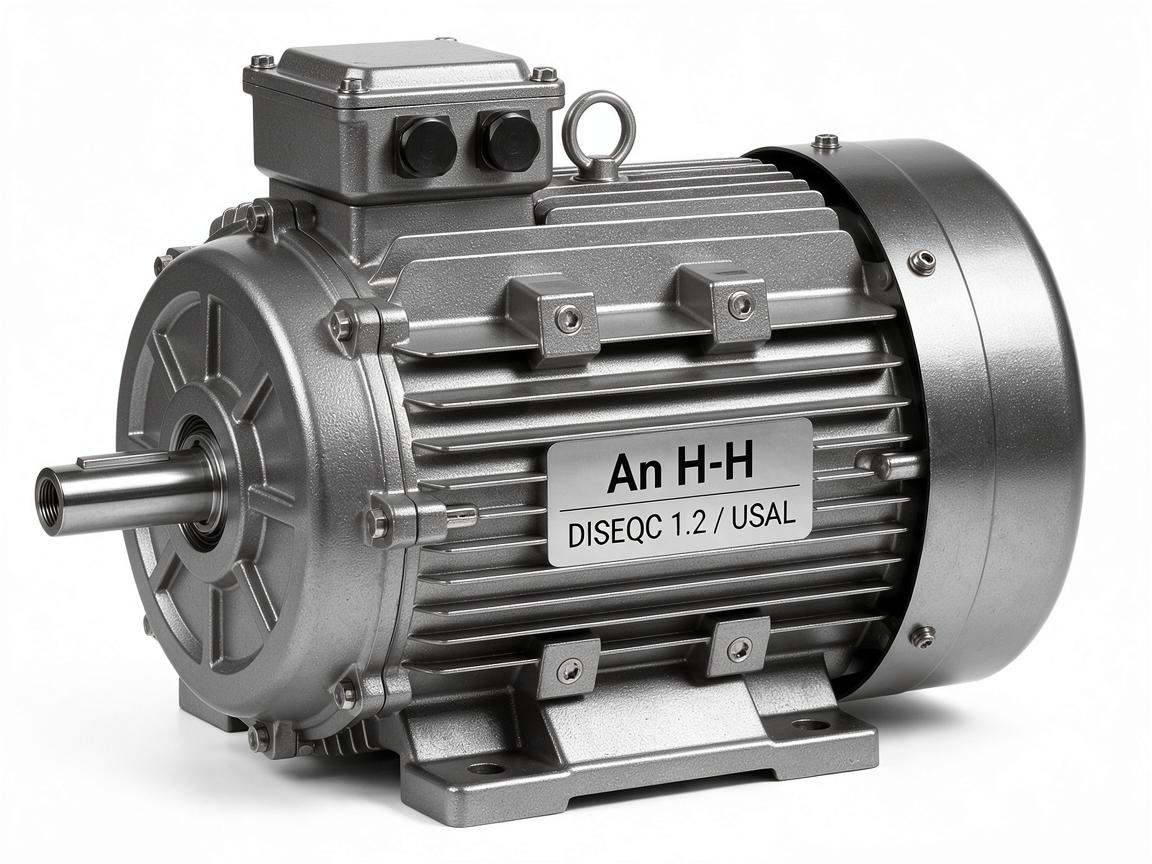
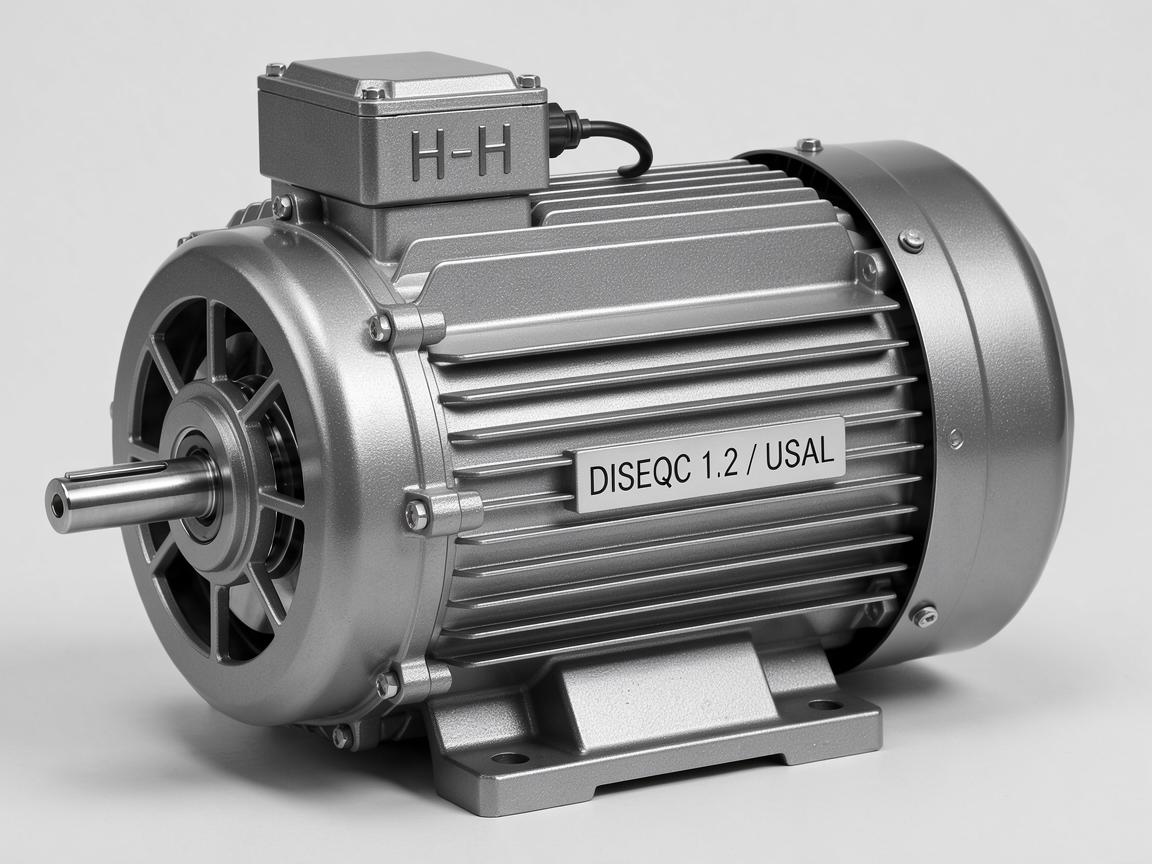
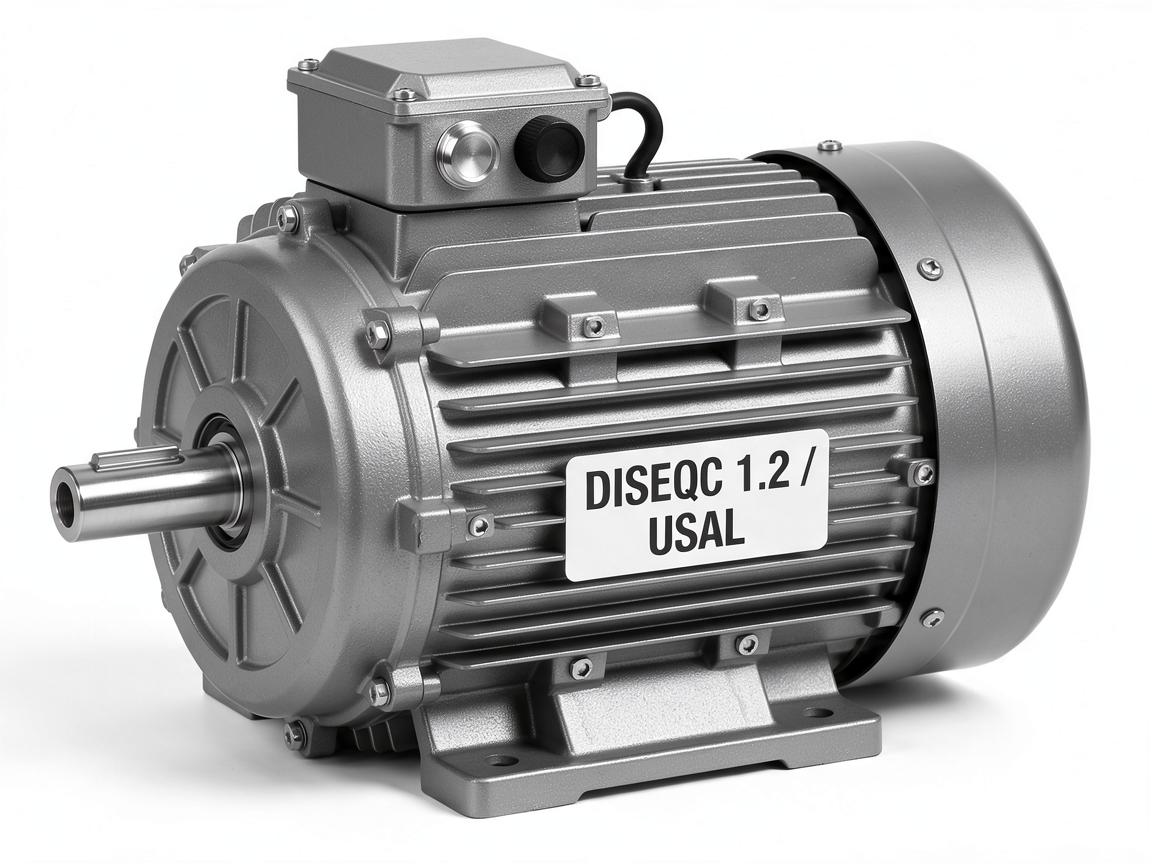
An H-H (horizontal-horizontal) motor — more accurately a DiSEqC 1.2 / USALS polar mount — turns a single dish to face dozens of satellites across the arc. Instead of fixing the dish to a static bracket, it sits on a motorised mount that swings east to west. Installing one correctly is slightly more involved than a fixed dish, but the payoff is enormous: every visible satellite from 30°W to 30°E, from one dish.
What Is an H-H / DiSEqC Motor?
A DiSEqC motor replaces the fixed pole clamp. Your receiver sends commands over the same coaxial cable to move the dish to a stored position. USALS systems calculate the satellite position automatically once you enter your own latitude and longitude; older DiSEqC 1.2 motors require you to store each satellite manually.
Why Installation Precision Matters More with a Motor
A polar mount must point due south (in the northern hemisphere) and the pole must be absolutely vertical. If the pole is tilted, the dish will trace an arc above and below the true geostationary arc, and satellites far from due south will be impossible to lock. Spend extra time here.
Step 1: Fit the Pole Precisely
Use a long spirit level on both axes. Many installers now use a digital inclinometer on a smartphone; it is far more accurate than a bubble level on a 40 mm pole. Mark the south line with a compass and correct for magnetic declination using a free online calculator for your town.
Step 2: Attach the Motor and Dish
Bolt the motor to the pole, then bolt the dish to the motor's dish arm. Set the declination offset on the motor — this is a small tilt specific to your latitude and is usually marked on the motor scale. Set the elevation roughly to your latitude minus the declination offset.
Step 3: Tell the Receiver Where You Are
Go into the receiver's antenna setup, choose USALS mode, and enter your latitude and longitude (from a map app). Select your “reference” satellite — usually the due-south one, such as Astra 19.2°E in central Europe. Move the motor to that satellite.
Step 4: Peak the Reference Satellite
This is the critical alignment step. With the motor on the reference satellite, manually adjust the dish elevation and the motor's south pointing until the reference satellite is perfectly peaked. Once this is right, USALS will place every other satellite almost exactly; you only nudge them by a few millimetres.
Step 5: Store and Test Other Satellites
Command the motor to a satellite 10° east and 10° west of south. If both lock easily, the mount is calibrated. If only the south satellite works but the side ones are weak, your pole is not vertical or the mount is not due south — go back to step 1.
Common H-H Installation Problems
- Side satellites won't lock: pole not vertical or mount not due south.
- Motor hums but doesn't move: power supply insufficient; use a motor with built-in positioner and a short, low-loss cable.
- Dish drifts over time: bolts not locked after alignment.
A DiSEqC motor turns one dish into a whole-arc system. The secret is not the motor itself — it is spending twenty extra minutes getting the pole vertical and the mount due south.