Choosing the Right Satellite Dish Size for Your Location
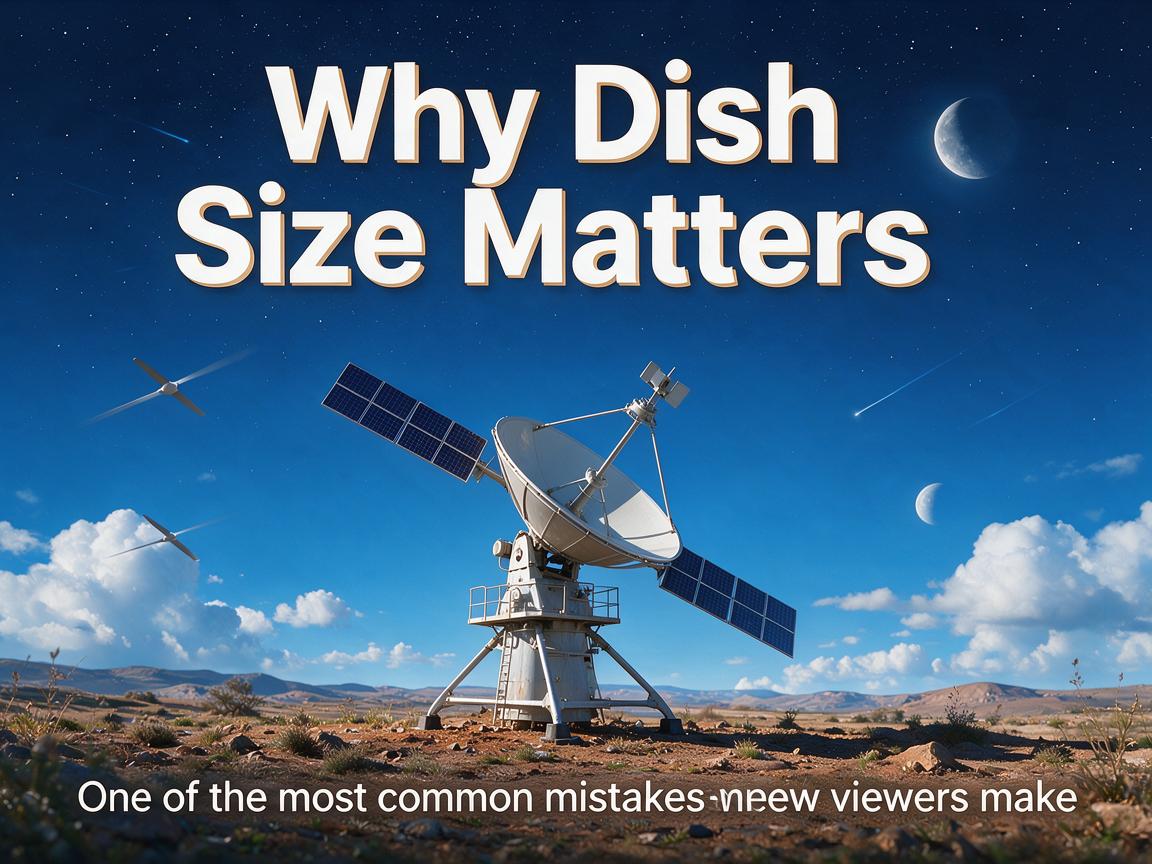
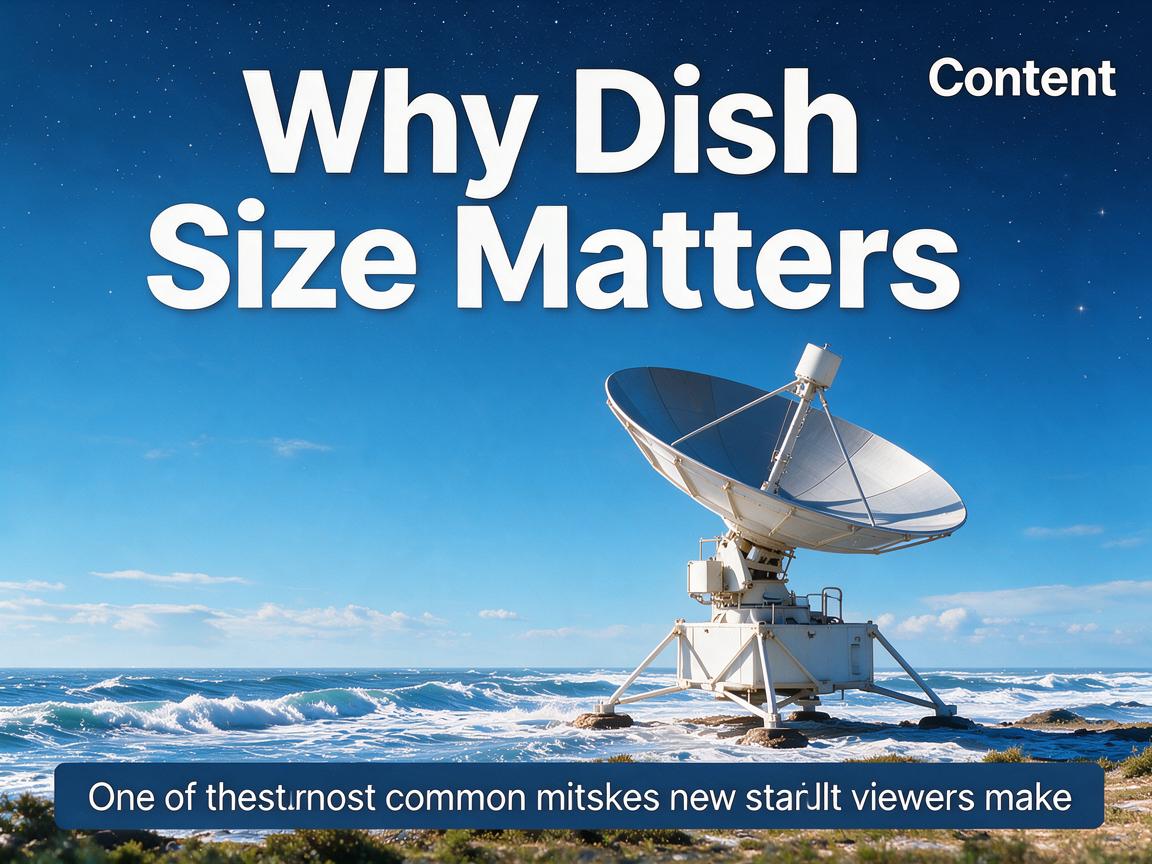
Why Dish Size Matters
One of the most common mistakes new satellite viewers make is buying a dish that is too small for their location. A dish that works perfectly in Spain may struggle in the UK or northern Europe, even when pointing at the same satellite. Choosing the right size the first time saves money, frustration and a second climb onto the roof.

What Determines the Required Dish Size?
The key factor is the satellite’s footprint — the area on Earth where the broadcast signal is strong enough to receive. Satellites like Astra 19.2°E and Hot Bird 13°E are designed to cover Europe, but signal strength drops off at the edges of the footprint. The further you are from the centre, the larger dish you need.
Dish Size Guidelines by Region
While exact figures vary by satellite and transponder, these general guidelines apply:
- Core footprint (southern Europe): A 60 cm dish is usually enough for Astra and Hot Bird.
- Northern Europe (UK, Germany, Netherlands): An 80 cm to 90 cm dish is recommended for reliable HD reception.
- Edge of footprint (Scandinavia, Eastern Europe fringe): You may need a 1.0 m to 1.2 m dish, especially for weaker transponders.
- Outside the intended coverage: A 1.8 m or larger motorised dish may be required, and even then some channels may not work.
HD and 4K Demand Larger Dishes
If you want HD or 4K channels, err on the larger side. HD channels typically use higher symbol rates and more complex modulation (8PSK), which requires a stronger carrier-to-noise ratio than standard-definition broadcasts. A dish that gives a fuzzy but watchable SD picture may pixelate badly on HD channels.
Weather Margin
A larger dish also gives you weather margin. During heavy rain or snow, signals attenuate. A dish with 3 dB of extra headroom will stay locked through a storm, while a borderline dish will cut out. This is especially important for critical channels like news or sports.
Other Considerations
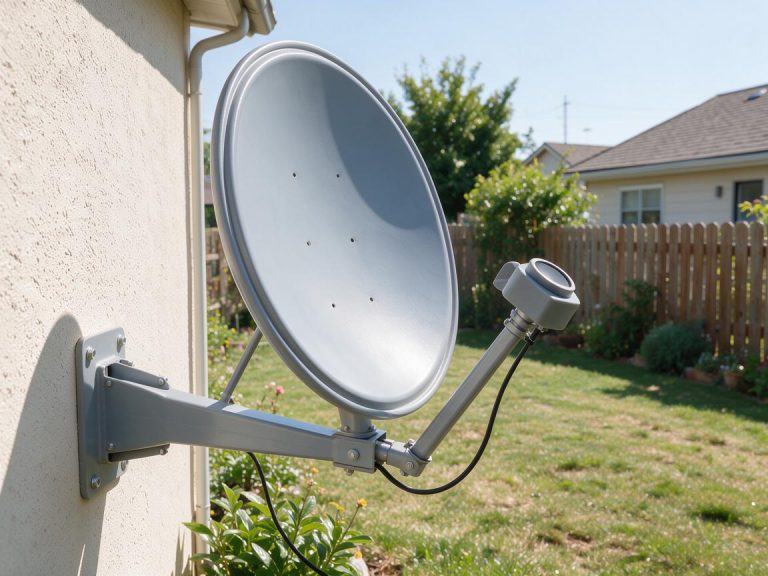
Bigger dishes are heavier and wind-load more. On a wall mount, an 80 cm dish in a exposed coastal location can pull significant load in gales. Check that your bracket and wall fixings are rated for the dish size you choose. If in doubt, use a heavy-duty wall bracket or a ground pole mount.
Finally, remember that dish size and LNB quality work together. A high-quality low-noise LNB on a smaller dish can sometimes match a larger dish with a cheap LNB — so don’t blow the entire budget on the dish alone.