Satellite TV vs Cable vs IPTV: Which Is Better in 2026?
Three Ways to Watch TV
If you are setting up home entertainment in 2026, you have three main options: satellite dish, cable TV, and IPTV delivered over broadband. Each has strengths and weaknesses, and the “best” choice depends on where you live, how you watch, and what you are prepared to pay.



Satellite TV
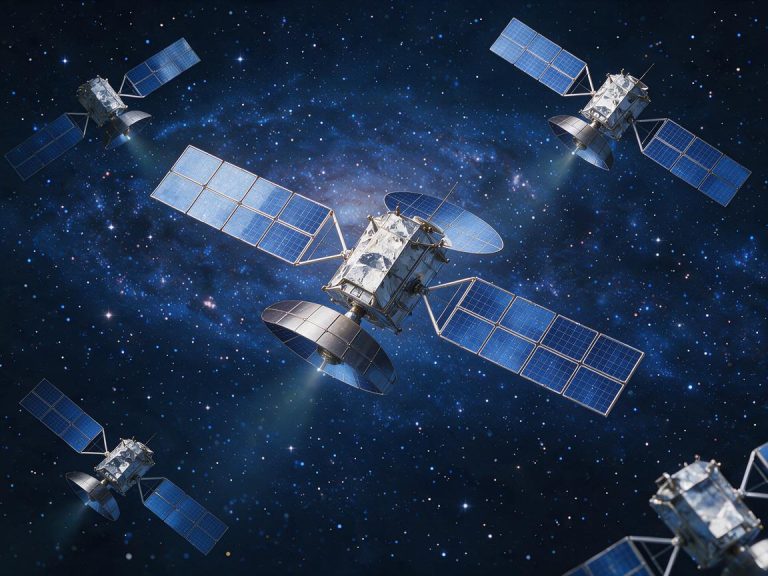
Pros: Huge channel selection including free-to-air channels from across Europe; works anywhere with a clear southern sky; no monthly fee for FTA; reliable during local internet outages. Cons: Requires a dish and cabling; vulnerable to extreme weather; installation needs a ladder; multi-room setups need extra LNB outputs.
Cable TV
Pros: No dish needed; reliable picture; often bundled with broadband and phone. Cons: Monthly subscription; limited to cities with cable infrastructure; fewer free European channels; channels locked to the cable provider’s lineup.
IPTV and Streaming
Pros: No hardware on the outside of the house; on-demand content; works on phones and tablets. Cons: Depends entirely on broadband speed and stability; live TV over IPTV can buffer; many low-cost IPTV services operate in a legal grey area and can disappear without warning.
What Most Homes Choose
For viewers who want reliable live TV and a wide choice of European channels without a recurring subscription, a satellite dish with a good FTA receiver remains hard to beat. It is a one-time hardware cost, and the signal is independent of your internet connection. IPTV is best as a supplement for on-demand content, not as your only live-TV source.
If you are in an apartment that forbids dishes, cable or IPTV may be your only option. If you own your home and want the longest channel list for the least ongoing cost, satellite is still the pragmatic choice in 2026.