Satellite TV Technology Trends in 2026
Satellite TV keeps evolving. In 2026 the main trends are familiar themes: more UHD, better compression, and ever more efficient transponders. Here is what is shaping the year.
More 4K and UHD Channels
The number of free-to-air and paid 4K channels continues to grow, delivered over DVB-S2X and HEVC. Viewers with older HD-only boxes are finding themselves needing an upgrade.
HEVC Everywhere
HEVC/H.265 is now the default for new HD services as well as UHD, because it lets broadcasters fit more channels in the same transponder.
Higher-Efficiency Transponders
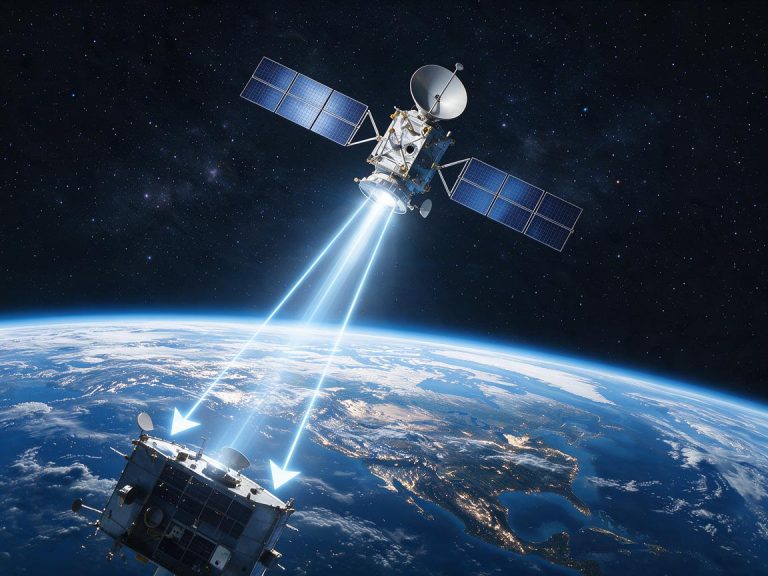
DVB-S2X with finer modulation and wider transponders squeezes more capacity out of existing satellites. New high-throughput satellites offer far more bandwidth than their predecessors.
SAT>IP and Whole-Home TV
Distributing satellite TV over your home network — to tablets, phones and TVs without running coax — keeps growing. SAT>IP servers let several people watch different channels on different devices.
Motorised and Multi-Satellite Setup
Enthusiasts increasingly run motorised dishes or multi-LNB setups to pull in free channels across the whole European arc, no subscription required.
What This Means for You
If you are buying a new receiver in 2026, insist on DVB-S2X, HEVC and multistream support. Future-proofing costs little and avoids an early upgrade.
Satellite TV is not standing still. The trend is toward sharper pictures, more efficient use of capacity, and more flexible home distribution — all good news for viewers.