Snowy or Grainy Picture on Satellite TV: Diagnosis
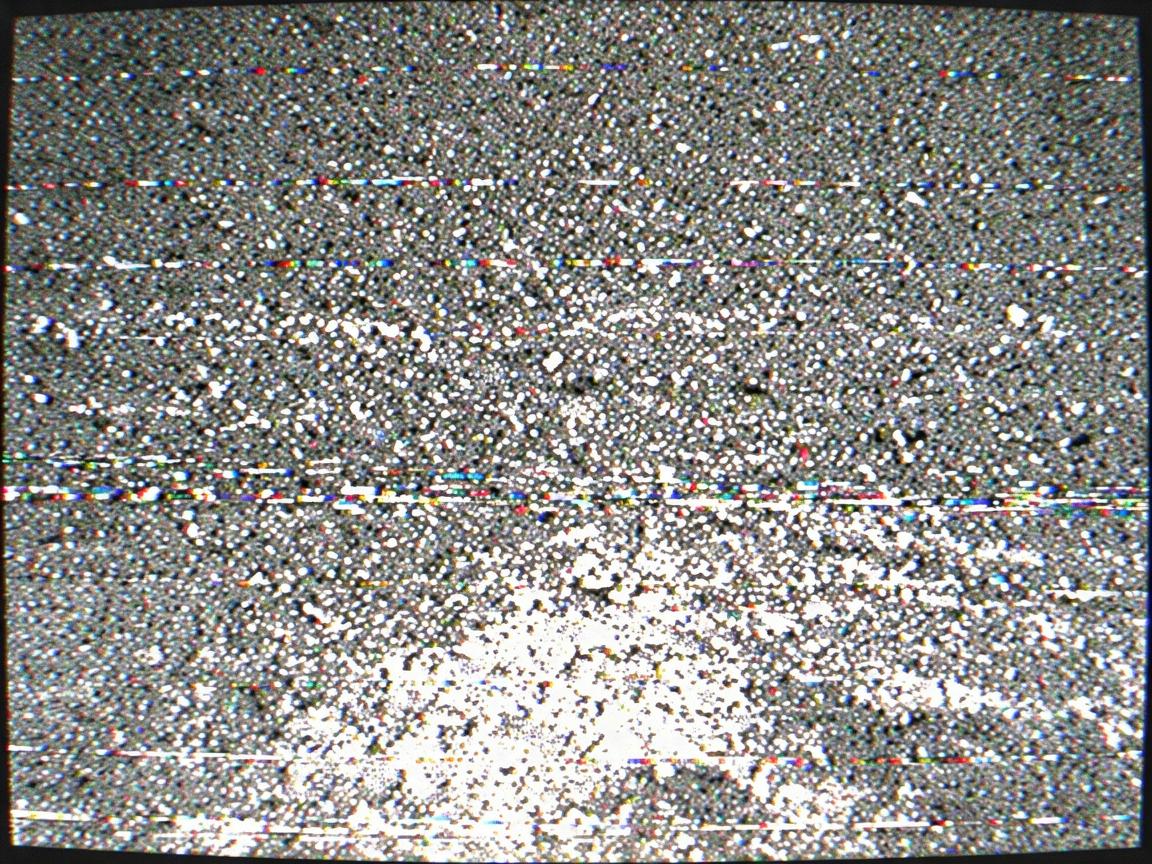
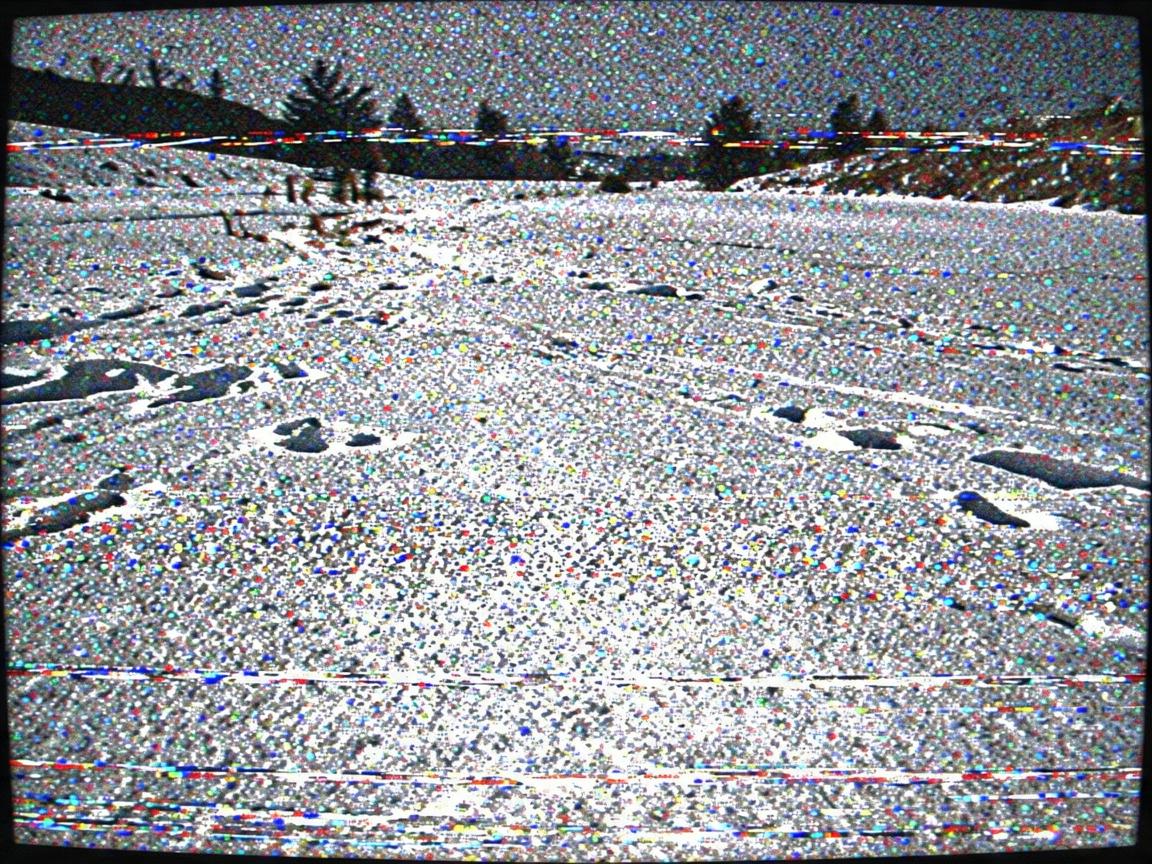
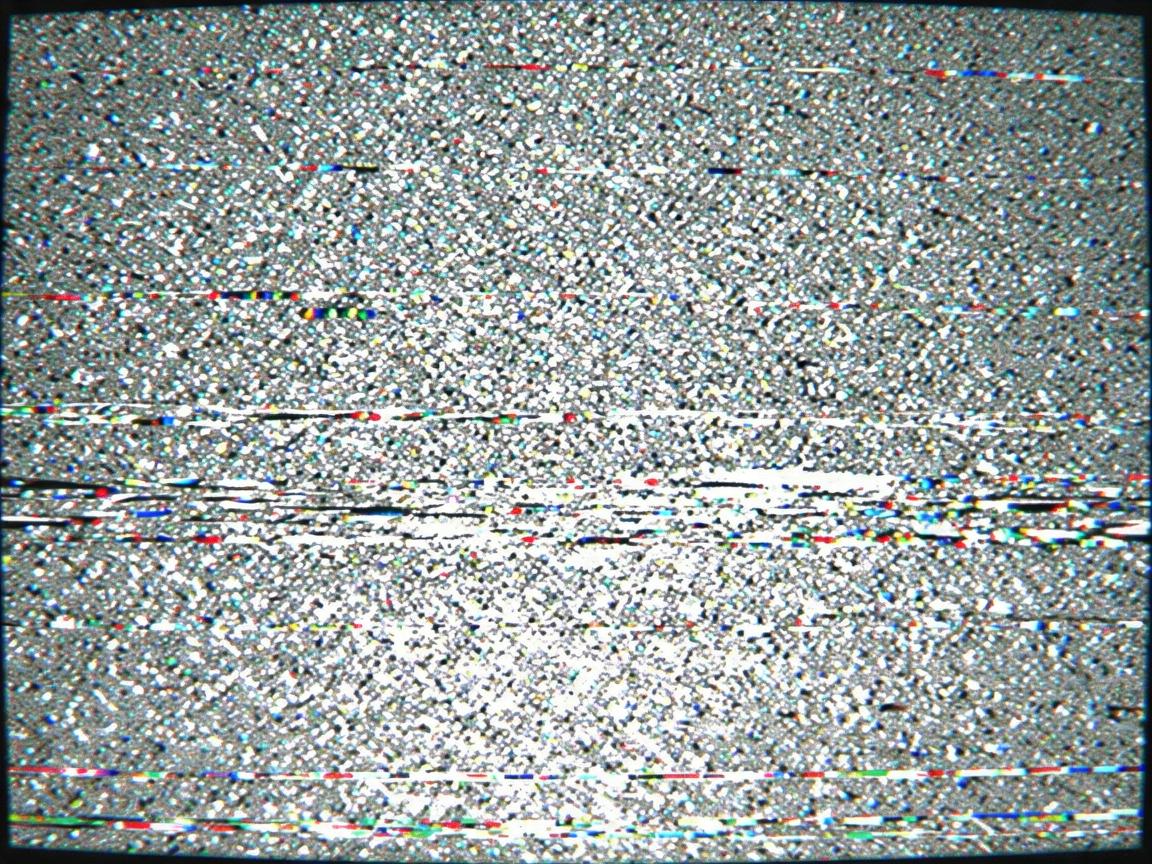
A snowy, grainy or “TV static” picture is an old analogue symptom. On a modern digital satellite system it should never happen — but when it does, the cause is specific.
Why Digital Should Never Be Snowy
Digital satellite either decodes perfectly or shows blocks, freezes or a black screen with “no signal”. Actual analog-style snow means something unusual is going on.
Cause 1: Analogue RF Loop-Through or Modulator
Some receivers have an RF modulator output for old TVs. If your TV is tuned to the analogue RF channel rather than HDMI, you may see snow. Use HDMI.
Cause 2: Signal So Strong It Is Overloading the Receiver
Surprisingly, an over-strong signal can overload the LNB input and produce a grainy, distorted picture. This is rare but happens if the dish is over-sized for a very strong satellite.
Cause 3: Interference
4G/5G mobile repeaters, house electrical noise, or a faulty appliance can leak into the coax and produce a grainy picture. Try disconnecting suspect devices.
Cause 4: Faulty HDMI Cable
A failing HDMI cable can produce sparkles, grain or green flecks. Swap the cable — it is the cheapest test.
Cause 5: A Failing TV Panel
If grain is visible even on a DVD or another input, the TV itself is the problem, not the satellite.
Diagnosis Steps
- Switch to another HDMI source — does the grain stay?
- Try a different HDMI cable.
- Check the signal quality meter — is it rock solid?
- Try a different channel.
When It Is Actually the Dish
If the signal quality is low and you see macro-blocking (not real snow), that is ordinary pixelation, covered elsewhere. Real analogue-style snow almost always points to cabling or the TV, not the dish.
A snowy picture on a digital satellite system is unusual — and usually a quick HDMI or input selection fix, not a rooftop problem.